

INTRODUCTION
Pioneering the blockchain game industry in Korea and beyond
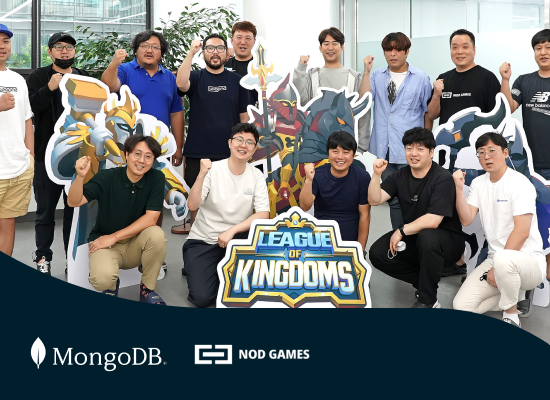
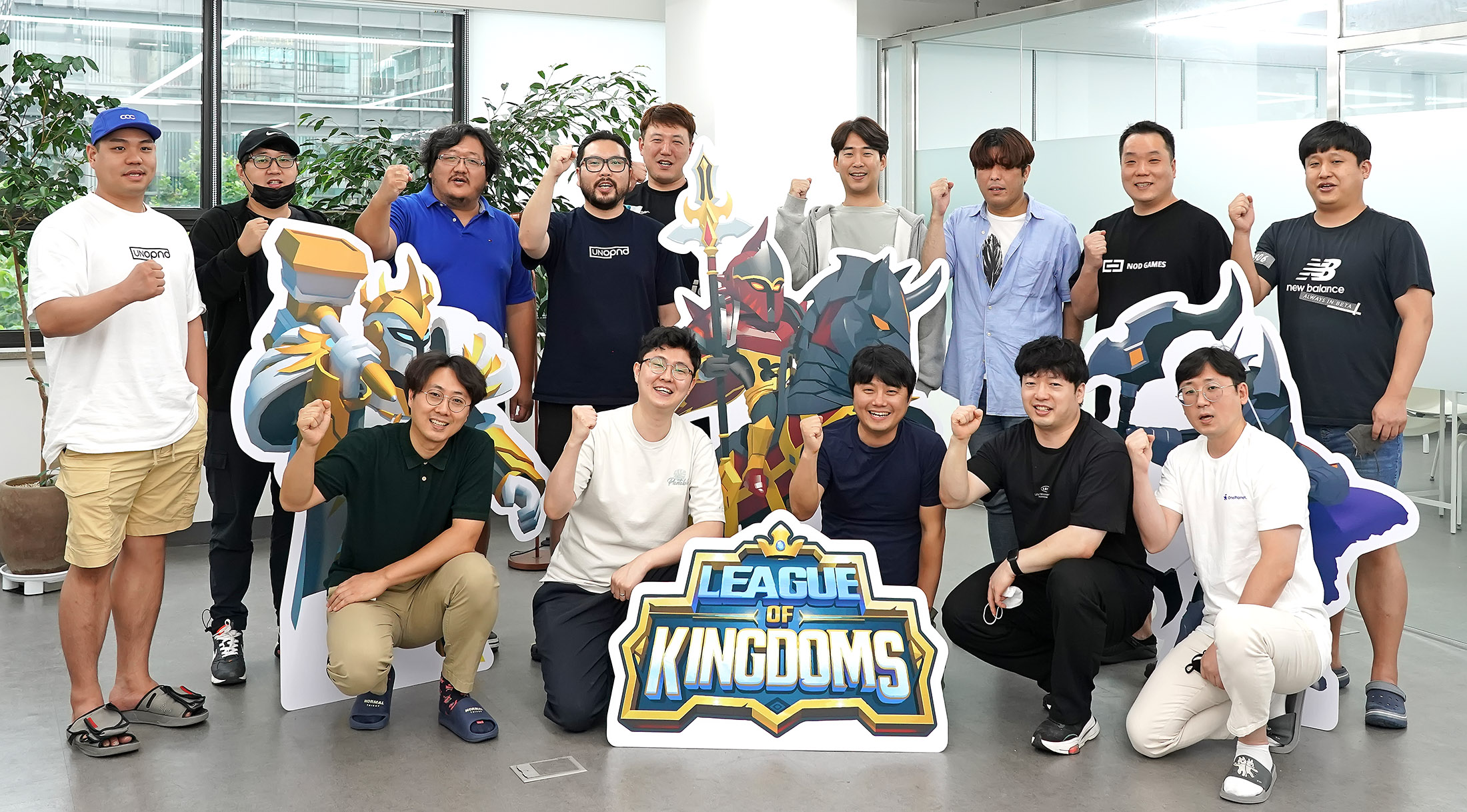
Founded in Seoul, Korea, in 2019 NOD Games has opened a new chapter in the gaming industry with its blockchain games. Leveraging the power of data and technology, NOD Games develops P2E (Play to Earn) games that allow players, (not companies), to own in-game assets. It has succeeded as a blockchain game studio by establishing a strong foothold with traditional RPG (Role Player Game) Crypto Sword&Magic and the world’s first decentralized MMO (Massively multiplayer online) strategy game League of Kingdoms.
League of Kingdoms, which has driven the success of NOD Games, is currently growing quickly in the blockchain game category with more than 500,000 downloads on Google Play Store. The game grew to become a beloved game with 100,000 daily gamers globally.
NOD Games continued to build momentum and launched the game globally. Firstly in Japan in 2020 with their partners LINE and then in the U.S. and Europe, accruing more than 200,000 more players. Throughout this success, one core element has been how NOD Games has successfully used data and empowered its small development team to innovate and deliver new games and features.
THE CHALLENGE
Critical Data and Speeding up development time with a lack of resources
NOD Games identified the value of future-oriented technologies such as NFTs and metaverse as well as blockchain from an early stage and incorporated them into mobile games with endless growth potential. However, building complex games that integrate with cutting edge technologies, also created significant challenges.
In March 2019, NOD Games began with just five experts, including developers, server managers, and designers. The blockchain game industry was completely uncharted territory. For the company, the top priority was to develop prototypes as quickly as possible, accumulate player response, and take the lead in the market.
NOD Games focused on game development day and night, but it took considerable resources and time for the five-member team to stay ahead of the rapidly changing market trends. Initially, they planned to build a prototype based on a relational database management system (RDBMS) MySQL that the team had been familiar with. However, in the process of developing new features and fixing bugs, they found it unsuitable. Games underpinned by traditional databases require time-consuming and costly development, putting each character and item in different rows and columns. The complex and fluid data was an unnatural fit for the rows and columns of a relational database and on top of that there were regular database fixes required, all of which massively slowed down how quickly they could develop the prototype.
THE SOLUTION
MongoDB Atlas delivers scale and flexibility for a 24/7 zero-downtime gaming experience
In an effort to release the game as soon as possible while increasing employee productivity, CTO Steve Hwang, a skilled developer with more than 20 years of experience, chose MongoDB Atlas, a modern, multi-cloud database platform, running on AWS. Hwang was impressed by a large number of MongoDB customer references, simple and easy-to-use features and extensive online resources.
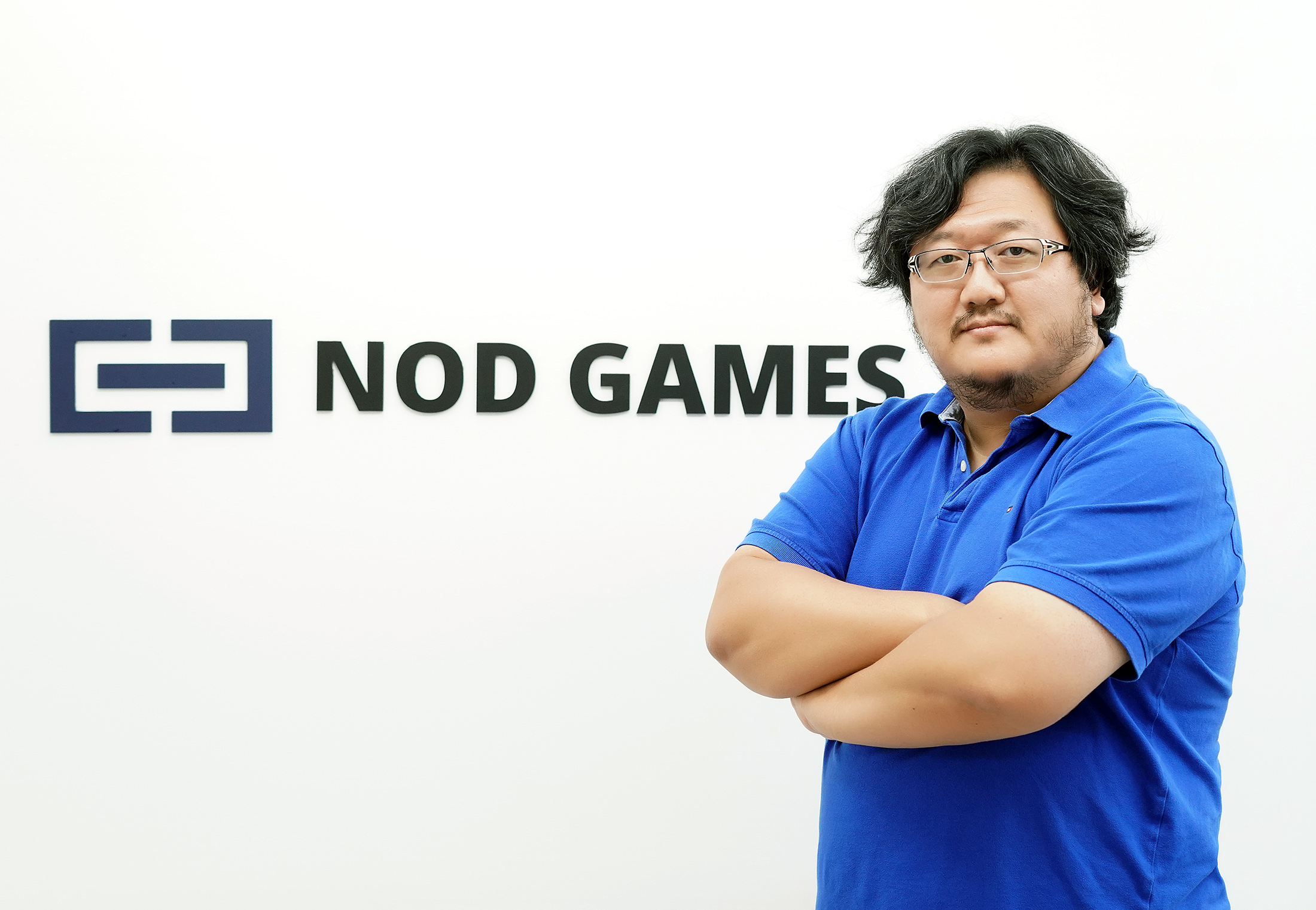
Hwang explained that MongoDB Atlas saved an incredible amount of time spent on complex migration processes, data management and service construction. He estimates it would have taken at least 8 months to a year if they had been stuck with RDBMS, but the team was able to deliver the game in just two months with MongoDB Atlas. "What's even more surprising is that we did all of this without downtime,” explained Hwang.

_1.svg)