원격 측정, 결함 이미지 및 RCA 보고서를 위한 단일 플랫폼입니다. 멀티모달 검색 사용하여 근본 원인을 더 빠르게 찾을 수 있습니다.
사용 사례: 인공 지능
산업: 제조 및 모션
제품 및 도구: MongoDB Atlas, MongoDB Atlas Vector Search, MongoDB Time Series 컬렉션
파트너: Amazon 기반, Amazon Web Services, LangChain
솔루션 개요
반도체 제조는 연결이 끊긴 시스템에서 대량의 데이터를 생성합니다. 편차가 발생하면 센서 원격 측정, 결함 이미지 및 기록 RCA 보고서의 상관 관계를 수동으로 가져와 문제의 원인을 찾아야 합니다. 이 프로세스 몇 시간이 걸리며, 계획되지 않은 다운타임으로 인해 시간당 최대 1 백만 달러의 비용이 발생합니다.
Agentic AI 시스템은 LLM, 특수 도구 및 영구 메모리를 결합하여 장애를 자율적으로 조사합니다. 멀티모달 검색 통해 원격 측정, 이미지, 지식을 단일 플랫폼에서 통합함으로써 AI 에이전트는 사용자가 해결에 집중하는 동안 근본 원인을 더 빠르게 찾을 수 있습니다.
이 솔루션은 Wafer fab의 편차 감지 및 근본 원인 분석에 중점을 둡니다. 다양한 제조 시나리오에 동일한 아키텍처를 적용 할 수 있습니다.
이 솔루션을 빌드 하려면 에이전트 시스템에 시기적절하고 상황에 맞는 데이터 액세스 필요합니다. 기존의 팩토리(fab) IT 시스템은 텔레메트리, 이미지 및 지식을 별도의 데이터베이스에 저장 때문에 에이전트가 전체 컨텍스트를 분석 가 어렵습니다.
MongoDB Atlas 시계열, 벡터 및 문서 데이터에 대한 네이티브 지원 제공합니다. 반도체 에이전트형 AI 의 경우, MongoDB Atlas 다음을 지원합니다.
센서 원격 분석 수집: 이 역량 사용하면 특수 Time Series 컬렉션을 사용하여 대용량 센서 데이터 실시간 수집할 수 있습니다.
멀티모달 임베딩 저장: 이 플랫폼은 이미지와 텍스트 임베딩을 모두 저장하여 웨이퍼 결함에 대한 고급 시맨틱 검색을 용이하게 합니다.
상담원 메모리 지속성: 이 기능 전체 감사 가능성과 세션 재개 기능 을 보장하기 위해 대화 상태 및 에이전트 기록 유지합니다.
짧은 지연 시간 확장성: 아키텍처가 동적으로 확장되어 고성능을 유지하면서 대규모 스트리밍 데이터 로드를 처리하다 .
MongoDB Atlas 사용하면 산업 데이터와 에이전트형 AI 역량을 통합하여 사후 문제 해결에서 자동 조사로 이동할 수 있습니다.
참조 아키텍처
이 솔루션을 통해 MongoDB Atlas, LangGraph, Amazon 기반을 사용하여 반도체 수율 최적화를 위한 에이전트적 AI 시스템을 빌드 할 수 있습니다. 이러한 기술을 함께 사용하면 멀티모달 데이터 전반에서 이탈 감지, 근본 원인 분석 및 결함 패턴 매칭을 자동화합니다. 이 솔루션은 다음과 같이 작동합니다.
MongoDB Atlas 는 통합된 에이전트 데이터 계층을 제공합니다. 원격 분석, 경고, 결함 이미지, 기록 보고서 및 에이전트 메모리를 저장합니다. Atlas 에이전트 에 벡터 검색, 하이브리드 검색 및 집계 도구도 제공합니다.
LangGraph 는 지속적인 상태 및 도구 조정을 통해 Root Cause 에이전트 워크플로를 조정합니다.
Amazon 베드락 은 에이전트 추론하고, 센서 상관 관계를 분석, 구조화된 RCA 보고서를 생성할 수 있는 LLM(Claude)을 제공합니다.
Voyage AI 의미론적 유사성 검색 위해 웨이퍼 결함 이미지를 텍스트 컨텍스트와 결합하는 멀티모달 임베딩을 생성합니다.
아키텍처는 실시간 이벤트 기반 패턴 따릅니다. 기계 원격 분석은 MongoDB Atlas 로 유입되며, 여기서 Excursion 감지 시스템은 Change Streams를 사용하여 센서 스트림을 모니터링합니다. 시스템이 임계값을 위반하면 경고 생성하고 근본 원인 에이전트 시작합니다. 근본 원인 에이전트 세 가지 특수 도구를 사용하여 조사합니다.
Query Wafer Defects(웨이퍼 결함 쿼리): 멀티모달 벡터 검색 수행하여 유사한 과거 결함 패턴을 찾습니다.
과거 지식 쿼리: 시맨틱 임베딩을 사용하여 RCA 보고서 및 기술 문서를 검색합니다.
Time Series 데이터 쿼리: 애그리게이션 프레임워크를 사용하여 이탈 창 주변의 센서 원격 분석을 분석합니다.
사용자는 실시간 모니터링 대시보드를 통해 시스템과 상호 작용 . 대시보드 실시간 경고, 센서 차트 및 웨이퍼 결함이 표시됩니다. Root Cause Agent와 직접 채팅하여 인시던트를 조사하거나 후속 질문을 할 수도 있습니다. 이 아키텍처의 각 도구는 MongoDB Atlas 직접 쿼리합니다. 에이전트의 메모리 및 대화 상태 체크포인트에 유지되므로 감사 추적 및 세션 재개가 가능합니다.
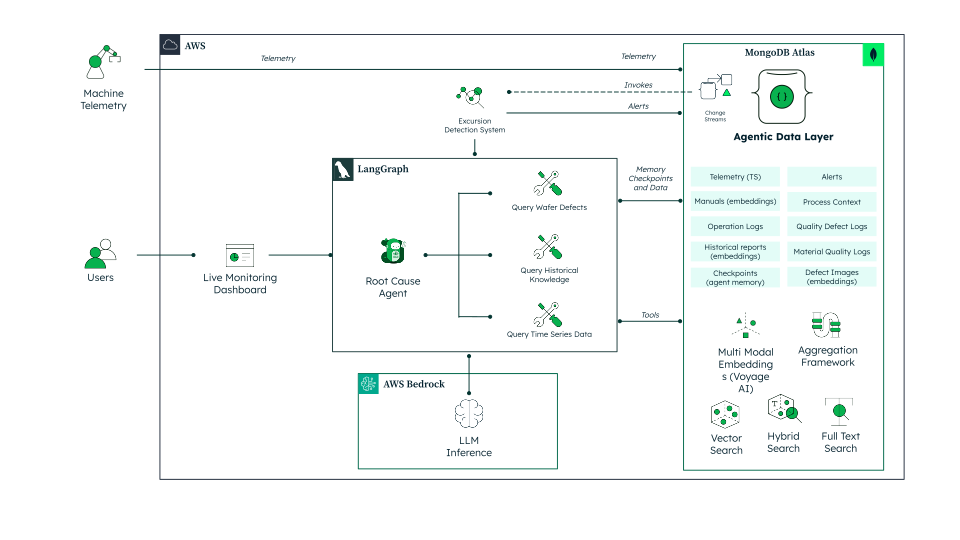
그림 1. MongoDB 사용한 Agentic Yield Analytics
웨이퍼 결함에 대한 멀티모달 임베딩
이 솔루션은 Voyage AI의 voyage-multimodal-3 모델을 사용하여 웨이퍼 결함 이미지를 텍스트 컨텍스트와 결합하는 임베딩을 생성합니다. 이를 통해 시각적 패턴과 설명 텍스트 모두에서 의미론적 유사성 검색 가능합니다.
임베딩 서비스
EmbeddingService 클래스는 Voyage AI 클라이언트 사용하여 임베딩 생성을 처리합니다.
import voyageai from PIL import Image import base64 import io class EmbeddingService: def __init__(self): self.voyage_client = voyageai.Client(api_key=os.getenv("VOYAGE_API_KEY")) self.multimodal_model = "voyage-multimodal-3" self.embedding_dimension = 1024 async def generate_image_embedding( self, image_data: str, text_context: str = None ) -> List[float]: """Generate multimodal embedding from image and text.""" # Decode base64 image to PIL Image image_bytes = base64.b64decode(image_data) pil_image = Image.open(io.BytesIO(image_bytes)) # Combine text and image inputs inputs = [] if text_context: inputs.append(text_context) inputs.append(pil_image) # Generate embedding result = self.voyage_client.multimodal_embed( inputs=[inputs], model=self.multimodal_model, input_type="document" ) return result.embeddings[0]
웨이퍼 결함 처리
각 웨이퍼 결함 문서 에 대해 파이프라인 다음 조치를 수행합니다.
관찰 가능한 특성(웨이퍼 ID, 결함 패턴, 장비, 수율, 웨이퍼 설명)으로 텍스트 콘텐츠를 빌드합니다.
Amazon S3에서 잉크 맵 이미지를 가져옵니다.
두 입력을 모두 결합하는 멀티모달 임베딩을 생성합니다.
embedding필드 에 1024차원 벡터를 저장합니다.
# Build text from observable facts only (not suspected causes) text_content = f"Wafer ID: {wafer['wafer_id']} " text_content += f"Defect pattern: {wafer['defect_summary']['defect_pattern']} " text_content += f"Equipment: {wafer['process_context']['equipment_used'][0]} " text_content += f"Yield: {wafer['defect_summary']['yield_percentage']}%" # Get image data image_data = wafer["ink_map"]["thumbnail_base64"] # Generate multimodal embedding embedding = await embedding_service.generate_image_embedding( image_data=image_data, text_context=text_content ) # Store in document await db.wafer_defects.update_one( {"_id": wafer["_id"]}, {"$set": { "embedding": embedding, "embedding_type": "multimodal", "embedding_model": "voyage-multimodal-3" }} )
벡터 검색 인덱스
MongoDB Atlas 의 wafer_defects 컬렉션 에 벡터 검색 인덱스 생성합니다.
{ "name": "wafer_defects_vector_search", "type": "vectorSearch", "definition": { "fields": [ { "path": "embedding", "type": "vector", "numDimensions": 1024, "similarity": "cosine" } ] } }
이를 통해 루트 원인 에이전트는 새 웨이퍼에 알려진 루트 원인이 없는 경우에도 벡터 검색 사용하여 유사한 과거 결함을 찾을 수 있습니다.
에이전트 도구
도구는 에이전트 에이전트 MongoDB Atlas 와 상호 작용 활성화 도메인별 기능입니다. 센서 데이터 쿼리 , 시맨틱 검색 수행하고, 기록 패턴을 조회 . 각 도구는 LLM이 RCA 보고서를 생성하기 위해 분석하는 구조화된 데이터를 반환합니다.
다음 코드는 LangChain의 @tool 데코레이터를 사용하여 루트 원인 에이전트에 도구를 등록하는 방법을 보여줍니다. 이 예시 에서 도구는 벡터 검색 사용하여 유사한 웨이퍼 결함 패턴을 찾습니다.
from langchain_core.tools import tool async def query_wafer_info( wafer_id: str, include_similar_patterns: bool = True, similarity_limit: int = 3 ) -> Dict[str, Any]: """ Get wafer defect details and find similar historical patterns. Returns the wafer data plus similar past defects with known root causes. """ db = _get_db() wafer = await db.wafer_defects.find_one({"wafer_id": wafer_id}) if not wafer: return {"error": f"Wafer {wafer_id} not found"} similar_patterns = None if include_similar_patterns and "embedding" in wafer: pipeline = [ { "$vectorSearch": { "index": "wafer_defects_vector_index", "path": "embedding", "queryVector": wafer["embedding"], "numCandidates": 100, "limit": similarity_limit + 1 } }, {"$match": {"wafer_id": {"$ne": wafer_id}}}, {"$addFields": {"similarity_score": {"$meta": "vectorSearchScore"}}}, {"$limit": similarity_limit} ] results = await db.wafer_defects.aggregate(pipeline).to_list(length=None) similar_patterns = [ { "wafer_id": r.get("wafer_id"), "description": r.get("description"), "root_cause": r.get("root_cause"), "similarity_score": round(r.get("similarity_score", 0), 4) } for r in results ] return { "wafer": wafer, "similar_historical_patterns": similar_patterns } # Tool registry TOOLS = [query_alerts, query_wafer_info, query_time_series_data, vector_search_knowledge_base]
루트 원인 에이전트는 다음 도구를 사용하여 이탈을 조사합니다.
query_alerts장비, 심각도 또는 기간 창 기준으로 필터링된 최근 경고를 검색합니다.
위반 세부 정보, 영향을 받는 웨이퍼 및 소스 센서 데이터 반환합니다.
query_wafer_info수율 비율, 결함 패턴, 심각도를 포함한 웨이퍼 결함 세부 정보를 가져옵니다.
멀티모달 벡터 검색 수행하여 알려진 근본 원인을 가진 유사한 과거 결함을 찾습니다.
query_time_series_data특정 기간을 창 으로 센서 원격 분석을 쿼리합니다.
토큰 사용량을 줄이기 위해 애그리게이션된 통계(최소, 최대, 평균)를 반환합니다.
결함 이벤트와 상관관계가 있는 센서 이상을 식별합니다.
vector_search_knowledge_base시맨틱 임베딩을 사용하여 기록 RCA 보고서 및 기술 문서를 검색합니다.
제목, 근본 원인 및 시정 조치가 포함된 일치하는 문서를 반환합니다.
에이전트 유사한 장애에 대한 과거 솔루션을 참조할 수 있도록 도와줍니다.
fab의 프로세스에 맞게 이 도구 세트를 확장할 수 있습니다. 예시 들어, 도구를 추가하여 장비 유지 관리 로그를 쿼리 하거나, 레시피 매개변수를 확인하거나, 연산자 교대조 노트를 조회 .
에이전트 메모리
에이전트가 효과적으로 작동하려면 컨텍스트 및 추론 단계를 저장 메모리가 필요합니다. 이 역량 통해 상담원은 다음을 수행할 수 있습니다.
조사 내에서 연속성을 유지합니다.
이전 단계와 도구 출력을 호출합니다.
사용자 상호 작용 전반에 걸쳐 컨텍스트를 구축합니다.
이 아키텍처에서 MongoDB Atlas 모든 에이전트 메모리를 저장합니다. 메모리는 다음과 같은 유형으로 구성됩니다.
단기 기억: 에이전트 조사를 진행할 때 중간 상태 저장합니다. 이 메모리는 프로세스 중단되더라도 진행 상황을 유지하면서 재개할 수 있도록 보장합니다. 다음 컬렉션은 이러한 유형의 메모리를 저장 .
checkpoints: 각 추론 단계에서 에이전트 상태 캡처합니다.checkpoint_writes: 도구 호출과 해당 출력을 기록합니다.
장기 기억: 현재 조사에 도움이 되는 과거 데이터를 저장합니다. 에이전트는 벡터 검색 사용하여 이 데이터를 조회 기록 컨텍스트가 추론을 유도하도록 합니다. 컬렉션에는 다음이 포함됩니다.
wafer_defects: 유사성 검색 위한 다중 모드 임베딩이 포함된 웨이퍼 검사 데이터입니다.historical_knowledge: RCA 보고서, 기술 문서 및 부족 지식.alerts: 위반 세부 정보 및 소스 데이터가 포함된 활성 경고 및 해결된 경고입니다.process_sensor_ts: 상관관계 분석을 위한 Time Series 센서 원격 측정.
단기 기억을 구성하려면 LangGraph의 MongoDBSaver 클래스를 사용합니다. 이 클래스는 다음과 같이 에이전트 진행 상황을 checkpoints 컬렉션에 씁니다.
from langgraph.checkpoint.mongodb import MongoDBSaver from pymongo import MongoClient mongo_client = MongoClient(os.getenv("MONGODB_URI")) checkpointer = MongoDBSaver(mongo_client, "smf-yield-defect")
이 설정 루트 원인 에이전트의 메모리 및 내결함성 기능을 활성화합니다.
에이전트 상태 그래프
상태 그래프 워크플로를 노드와 에지로 모델링합니다. 각 노드 추론 단계, 도구 호출 또는 체크포인트 나타냅니다. 가장자리는 이러한 단계 간의 전환을 정의합니다. 상태 그래프는 워크플로를 명시적이고 반복 가능하며 탄력적으로 만듭니다.
이 솔루션에서 LangGraph를 사용하면 상태 그래프 Root Cause 에이전트와 해당 도구를 조정할 수 있습니다. 에이전트 ReAct(추론 + 행동) 패턴 따릅니다.
이유: LLM은 현재 상태 분석하고 다음 조치 결정합니다.
행동: 에이전트 도구를 호출하여 MongoDB 에서 데이터를 조회 .
관찰: 에이전트 도구 출력을 처리하고 해당 추론을 업데이트합니다.
반복: 에이전트 충분한 증거를 확보할 때까지 주기가 계속됩니다.
이 아키텍처는 다음과 같은 역량을 보장합니다.
에이전트 유사한 패턴이 발견된 경우와 일치하지 않는 않는 경우와 같은 결과에 따라 분기할 수 있습니다.
각 단계는 메모리에 쓰고 자동으로 읽습니다.
엔지니어는 대화를 재개하거나 추론 체인을 감사 할 수 있습니다.
다음 코드는 MongoDB 체크포인트를 사용하여 ReAct 에이전트 빌드합니다.
from langgraph.prebuilt import create_react_agent from langchain_aws import ChatBedrock async def create_rca_agent(): """Create LangGraph agent with MongoDB checkpointing.""" # Initialize LLM llm = ChatBedrock( model_id="anthropic.claude-3-5-sonnet-20241022-v2:0", region_name=os.getenv("AWS_REGION", "us-east-1") ) # Initialize MongoDB checkpointer mongo_client = MongoClient(os.getenv("MONGODB_URI")) checkpointer = MongoDBSaver(mongo_client, "smf-yield-defect") # System prompt system_prompt = """You are an expert semiconductor yield engineer. When investigating alerts: 1. First, query the alert details 2. Get wafer defect information and similar historical patterns 3. Query sensor data around the alert time 4. Search the knowledge base for similar RCA reports 5. Synthesize findings into a structured root cause analysis Always cite evidence from the tools.""" # Create agent agent = create_react_agent( model=llm, tools=TOOLS, checkpointer=checkpointer, prompt=system_prompt ) return agent
이 설정 사용하면 전체 조사 워크플로를 추적, 재개 및 디버깅할 수 있습니다.
엔드 투 엔드 워크플로
다음은 시스템이 이탈을 처리하는 방법에 대한 설명입니다.
다음 기능을 사용하여 이 워크플로를 확장하고 사용자 지정할 수 있습니다.
자동화된 수정: RCA 결과를 기반으로 장비 격리 또는 레시피 조정을 트리거합니다.
예측 경고: 기록 패턴을 사용하여 임계값을 위반하기 전에 경고합니다.
다중 도구 상관 관계: 레시피 매개변수, 챔버 로그 또는 유지 관리 일정을 쿼리 도구를 추가합니다.
도구, 메모리 및 그래프 오케스트레이션이 모듈식이므로 기존 워크플로를 중단하지 않고도 새로운 기능을 추가할 수 있습니다.
데이터 모델 접근 방식
반도체 수율 최적화 시스템은 다음을 포함한 범위 데이터를 사용합니다.
고주파 센서 원격 측정
웨이퍼 검사 이미지 및 결함 패턴
과거 RCA 보고서 및 부족 지식
에이전트 메모리 및 대화 상태
장비 상태 및 프로세스 컨텍스트
MongoDB의 유연한 문서 모델 사용하면 이 데이터를 단일 솔루션에서 쉽게 운영할 수 있습니다. MongoDB Atlas 에서 다음 데이터를 저장 수 있습니다.
Time Series 데이터: 이 형식은 두 번째 수준의 세분성에서 센서 원격 분석을 캡처합니다.
벡터 임베딩: 이를 통해 웨이퍼 결함과 더 광범위한 지식 기반에 걸쳐 시맨틱 검색 활성화 .
멀티모달 임베딩: 이러한 구조는 결함 이미지를 특정 텍스트 컨텍스트와 결합합니다.
메타데이터: 이 정보는 장비 ID, 로트 ID 또는 프로세스 단계를 추적하여 컨텍스트를 통합합니다.
운영 데이터: 이 카테고리는 경고, 장비 상태 및 프로세스 매개변수에 대한 실시간 정보를 관리합니다.
메인 컬렉션
이 솔루션은 다음 컬렉션을 사용하여 데이터를 저장 .
sensor_events: 변경 스트림 모니터링 위한 실시간 센서 이벤트입니다. 이 정규 컬렉션 통해 Excursion 감지 시스템은 실시간 임계값 위반을 감시할 수 있습니다.
alerts: 루트 원인 에이전트를 트리거하다 활성 이탈 및 임계값 위반입니다. 각 경고 위반 세부 정보, 영향을 받는 웨이퍼 및 소스 센서 데이터 캡처합니다. 상태가 '열림'에서 '확인됨', '해결됨'으로 전환됩니다.
wafer_defects: 시맨틱 검색 위한 다중 모드 임베딩이 포함된 웨이퍼 검사 데이터입니다. 각 문서 결함 패턴, 수율 비율, 심각도 수준, Voyage AI 가 생성한 이미지-텍스트 결합 임베딩이 포함됩니다.
historical_knowledge: 벡터 임베딩과 함께 저장된 RCA 보고서 및 기술 문서입니다. 상담원은 이 컬렉션 검색 유사한 과거 사고, 문제 해결 절차 및 검증된 수정 조치를 찾습니다.
process_context: 제조 프로세스 메타데이터, 레시피 매개변수, 장비 구성, 상관관계 분석을 위한 기준값 등을 포함합니다.
checkpoints: 대화 지속성, 세션 재개 및 감사 추적을 활성화 위해 LangGraph의 MongoDBSaver가 각 추론 단계에서 캡처한 에이전트 상태 입니다.
process_sensor_ts: 효율적인 기록 분석을 위해 time series 컬렉션 으로 저장된 프로세스 센서 원격 측정. Time series 컬렉션은 수백만 개의 판독값을 효율적으로 저장 하고 쿼리 . 장비 ID, 로트 ID 및 프로세스 단계와 같은 상황별 메타데이터 보존합니다.
다음 예시 process_sensor_ts 컬렉션 의 샘플 문서 보여줍니다.
{ "timestamp": { "$date": "2025-01-24T10:30:00.000Z" }, "equipment_id": "CMP_TOOL_01", "metrics": { "particle_count": 1234, "temperature": 68.5, "rf_power": 1502.3, "chamber_pressure": 5.2 }, "metadata": { "lot_id": "LOT_2025_001", "wafer_id": "W_004_16", "process_step": "Oxide CMP" } }
time series 문서 다음 필드가 포함되어 있습니다.
timestamp: 판독값의 타임스탬프equipment_id: 소스 도구의 식별자metrics: 파티클 수, 온도, RF 전력 및 약실 압력에 대한 숫자 센서 값metadata: 로트, 웨이퍼 및 프로세스 단계에 대한 컨텍스트 태그
다음 예시 wafer_defects 컬렉션 의 샘플 문서 보여줍니다.
{ "_id": "W_CMP_001", "wafer_id": "W_CMP_001", "lot_id": "LOT_2025_001", "inspection_timestamp": { "$date": "2025-01-24T10:30:00Z" }, "description": "Edge-concentrated particle contamination from slurry degradation", "defect_summary": { "defect_pattern": "edge_cluster", "severity": "critical", "yield_percentage": 72.5, "failed_dies": 22, "total_dies": 80 }, "process_context": { "equipment_used": ["CMP_TOOL_01"], "last_process_step": "Oxide CMP", "recipe_id": "CMP_STD_01", "slurry_batch": "SLR-2025-0142" }, "ink_map": { "thumbnail_base64": "iVBORw0KGgo...", "thumbnail_size": { "width": 200, "height": 200 }, "full_image_url": "s3://bucket/wafers/W_CMP_001.png" }, "embedding": [0.123, -0.456, ...] }
웨이퍼 결함 문서 다음 필드가 포함됩니다.
wafer_id및lot_id: 결함을 프로덕션 컨텍스트에 연결합니다.description: 기록된 Wafer의 근본 원인 분석이 포함되어 있습니다.defect_summary: 패턴 유형, 심각도, 수율 영향 및 다이 수를 캡처합니다.process_context: 상관관계 분석을 위한 장비, 레시피, 재료 추적ink_map: 웨이퍼 맵 시각화 저장(표시용 썸네일, 전체 이미지용 S3 URL).embedding: 유사성 검색 위한 1024차원 다중 모드 벡터를 포함합니다.
솔루션 빌드
전체 데모 구현 보려면 GitHub 리포지토리 참조하세요. 리포지토리의 README에서는 다음 단계를 다룹니다.
백엔드 구성
백엔드 디렉토리 로 이동하여 uv를 사용하여 종속성을 설치합니다.
cd backend # Install UV package manager curl -LsSf https://astral.sh/uv/install.sh | sh # Install dependencies uv sync
자격 증명 사용하여 .env 파일 만듭니다.
# MongoDB Atlas connection MONGODB_URI=mongodb+srv://<username>:<password>@<cluster>.mongodb.net/ # Voyage AI for embeddings VOYAGE_API_KEY=your-voyage-api-key # AWS Bedrock for LLM inference AWS_REGION=us-east-1 AWS_ACCESS_KEY_ID=your-access-key AWS_SECRET_ACCESS_KEY=your-secret-key
애플리케이션 실행
백엔드 서버 시작합니다.
cd backend uv run uvicorn main:app --host 0.0.0.0 --port 8000 --reload
별도의 터미널에서 프론트엔드 서버 시작합니다.
cd frontend npm run dev
다음 주소에서 애플리케이션 에 액세스합니다.
프론트엔드 대시보드: http://localhost:3000
백엔드 API: http://localhost:8000
API Documentation: http://localhost:8000/docs
주요 학습 사항
에이전트적 AI 사용: AI 에이전트는 자율적으로 이탈을 조사하여 센서 데이터, 결함 이미지 및 기록 보고서의 상관 관계를 파악하여 몇 시간이 아닌 몇 초 만에 근본 원인 분석을 생성할 수 있습니다.
최신 데이터 기반 구축: 확장하다 AI 에이전트를 효과적으로 운영하려면 지연 시간이 짧고 확장 확장 가능한 데이터 인프라가 필수적입니다. MongoDB Atlas time series, 벡터 및 문서를 위한 통합 플랫폼을 제공합니다.
멀티모달 검색 활성화 : 이미지 임베딩과 텍스트 임베딩을 결합하면 엔지니어가 원래 설명된 방식에 관계없이 유사한 결함을 찾을 수 있습니다. Voyage AI의 멀티모달 모델은 시각적 패턴과 텍스트 컨텍스트를 모두 캡처합니다.
실시간이탈에 대한 조치: 변경 스트림을 통해 임계값 위반을 즉시 감지 활성화 . 시스템은 교대 근무 시간이 아닌 밀리초 이내에 경고를 생성합니다.
영구 에이전트 메모리: MongoDB 체크포인트를 통해 엔지니어는 조사를 재개하고, 후속 질문을 하고, 에이전트의 추론 체인을 감사 할 수 있습니다. 이러한 투명성은 신뢰를 구축하고 지속적인 개선을 가능하게 합니다.
작성자
Humza Akhtar, MongoDB
Kiran Tulsulkar, MongoDB
다니엘 자미르, MongoDB