THE RESULTS
Shrunk database cloning time by 94%; cut hosting bills in half
While it used to take FoodLogiQ a full day to create a production clone of the database, it can now be done in just half an hour, saving valuable time: “We can set it and forget it without having to worry if the import was correct because Atlas automates issue resolution,” said Johnson.
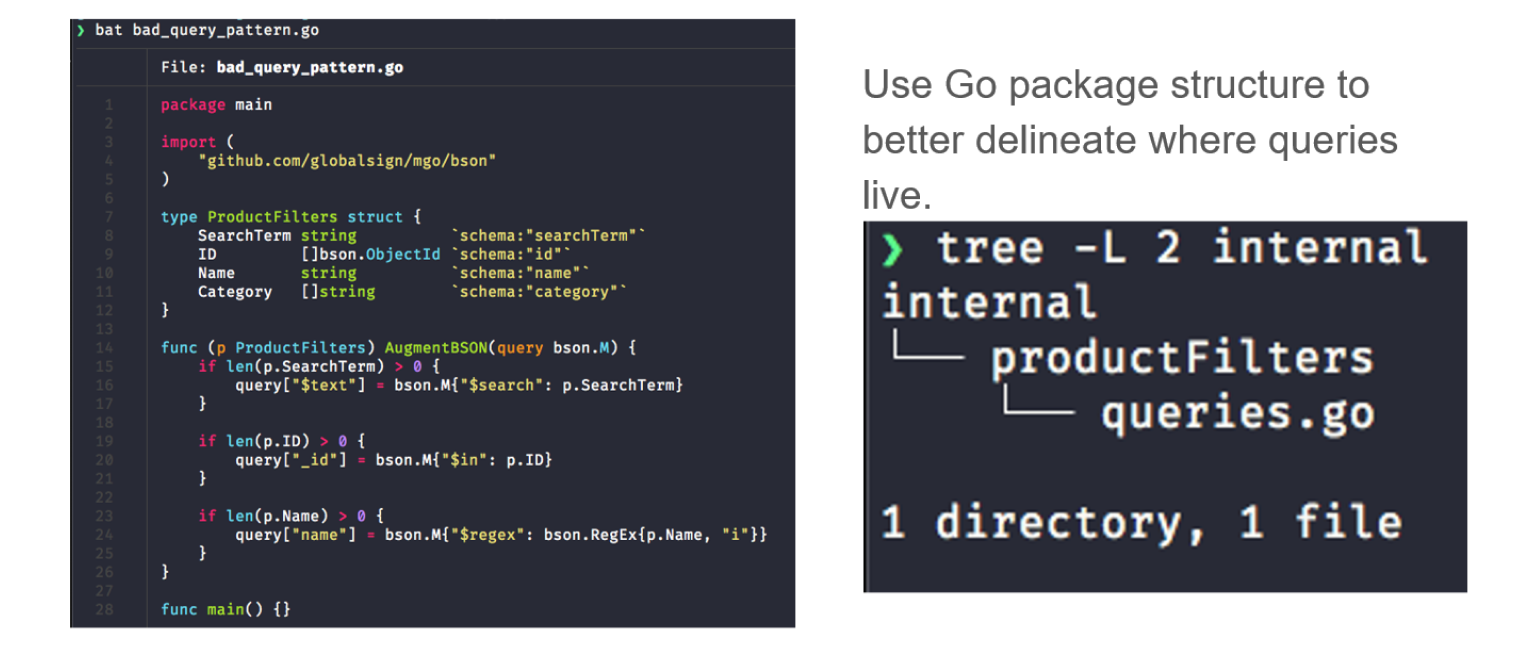
With MongoDB, Johnson and the team implemented 15 new indexes in the span of a year, and most importantly, they were able to do it efficiently; they dropped a number of indexes completely, he said. Another area of improvement is their ability to isolate and optimize slow queries. “If I change the query in conjunction with a new index, by pairing hotfixes with new indexes, we can supercharge results,” he added.
Atlas is also helping FoodLogiQ save money: by merging two replica datasets into one, the company’s hosting bills have been cut in half. And, because it is fully hosted, FoodLogiQ doesn’t have to worry about maintenance and upkeep, and can focus on its core competencies instead.
FoodLogiQ is now looking to the future and offering a world-class, scalable platform to its customers, and MongoDB’s true multi-cloud capability is a big part of that. “MongoDB Atlas allows us to deal with multiple cloud providers while avoiding complexity. With Atlas, it’s just BOOM, and make the move. No need to scramble,” said Johnson. The multi-cloud story is also helping FoodLogiQ serve enterprise customers who ask about enabling continuity through multi-cloud. “So, for example, they may want to move from three nodes to five, and two of those may be with another cloud provider in other regions. With Atlas, we can make that happen for them without increasing complexity.”



.svg)