At MongoDB, we believe in the transformative power of collaboration between academia and industry to drive innovation in database software and operational data management. Since its launch in 2024, the MongoDB PhD Fellowship Program has supported emerging research leaders pushing the frontier of computer science in areas such as AI/ML, distributed systems, cryptography, and database optimization.
With financial support, mentorship, and engagement with MongoDB experts, MongoDB Fellows address challenges with practical, real-world impact. They contribute by sharing their research work at key events and by collaborating with MongoDB researchers and engineers.
With the number of applications roughly double from last year, this year's selection process was more competitive than ever. “We were genuinely impressed by both the number and the quality of applications this year,” noted Seny Kamara, Distinguished Scientist and Head of MongoDB Research. “The ideas we saw—especially around novel data structures, optimizing distributed systems, and building more efficient cloud-native databases—are exactly the kinds of advances that push our field forward. Expanding the program this year to four Fellowships reflects both the strength of the research community and our excitement about supporting this next wave of innovation.”
Without further ado, we are delighted to announce this year’s recipients: Daniel DeLayo, Navid Eslami, David Chu McElroy, and Riki Otaki!
These exceptional PhD candidates bring incredible depth and originality to their research, and it is an honor for MongoDB to support their work. As they deepen and expand their ideas over the coming year, they will have an opportunity to explore the union of academic innovation and industry application by collaborating with MongoDB engineers and researchers. We wish them a fruitful and rewarding fellowship!
Learn more about the 2026 Fellows below.
Celebrating the 2026 MongoDB PhD Fellows
Daniel DeLayo, PhD candidate at Stony Brook University
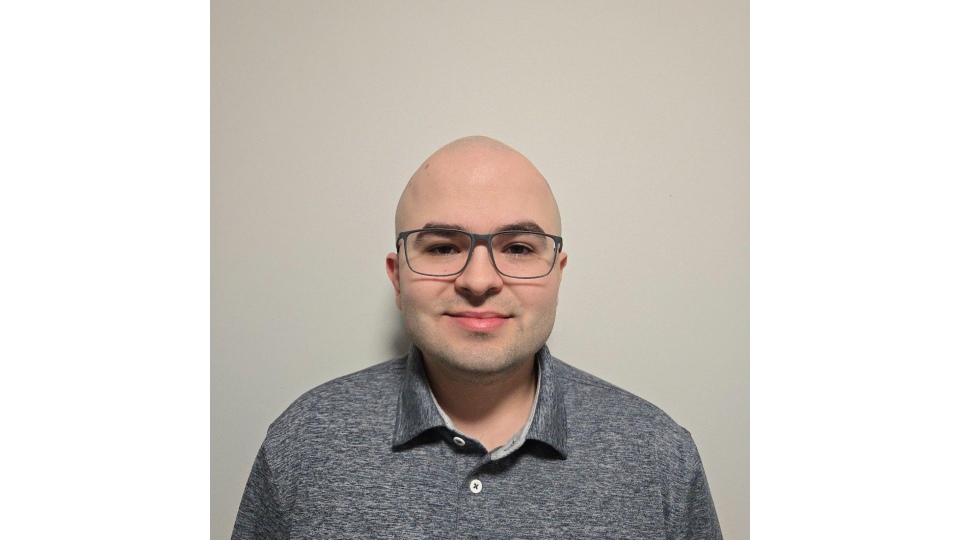
Daniel DeLayo is a fifth-year PhD student studying Computer Science at Stony Brook University, advised by Michael A. Bender. Daniel primarily researches algorithms and data structures, specifically, caching, paging, and parallel computing. His research better quantifies the cost of paging (especially when many processors page in parallel), makes it easier to write and debug parallel programs, and informs provably good cache management and cache analysis.
“Daniel’s research lies at the intersection of algorithms, systems building, big data, and memory hierarchies/data locality. Most computer scientists are skilled in either the engineering or the theoretical/mathematical foundations of CS—whereas Daniel is truly ambidextrous. Daniel is also a terrific communicator and colleague—any group runs better when he's part of it.
I'm extremely grateful that MongoDB is supporting Daniel as part of their PhD Fellowship Program. I know that Daniel will love the opportunity to interact with engineers at MongoDB and vice versa.”
–Michael Bender, Professor of Computer Science at Stony Brook University
Navid Eslami, PhD candidate at University of Toronto
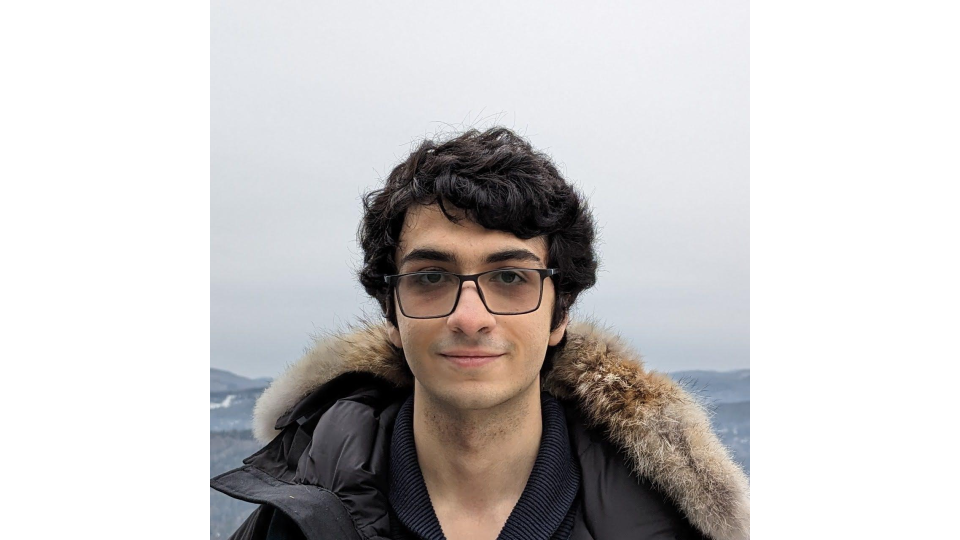
Navid Eslami is a third-year PhD student in the SysNet group at the University of Toronto. He's a member of the ORCA Lab where he is being supervised by Professor Niv Dayan. His work focuses on designing data structures tailored to database systems, with an emphasis on randomized and sketching data structures. He designs theoretically-grounded data structures that are also optimized to leverage the power and speed of modern hardware to the fullest, making them lightning-fast!
"The OrcaDB Database Group at the University of Toronto is grateful for MongoDB’s support of Navid’s work. This partnership gives us a unique opportunity to learn from MongoDB’s experience and insight, inspiring new research directions while creating meaningful pathways to bring Navid's high-performance, theoretically grounded data structures—from filters and sketches to vector graphs—into impactful real-world use."
–Niv Dayan, Assistant Professor in Computer Science at the University of Toronto
David Chu McElroy, PhD candidate at University of California, Berkeley
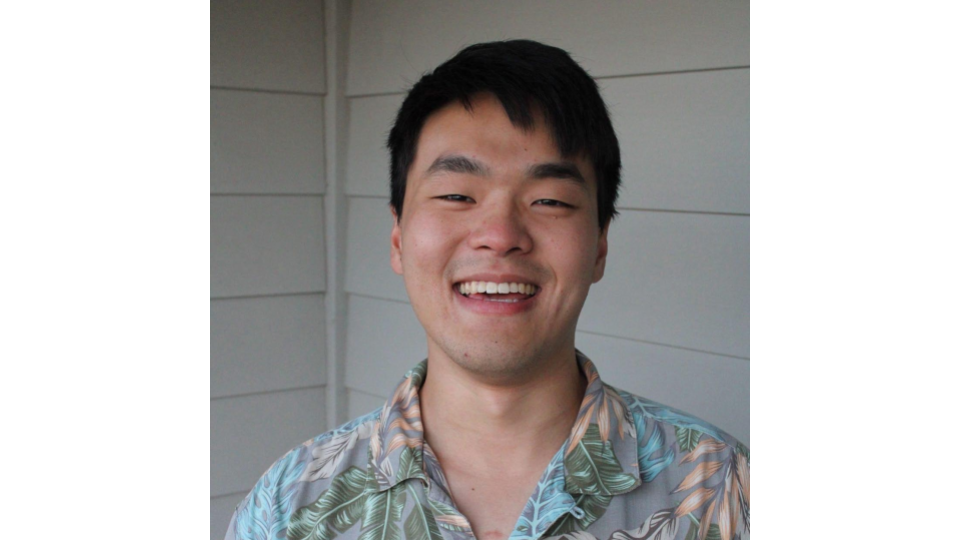
David Chu McElroy is a sixth-year PhD student in the EECS department at University of California, Berkeley, advised by Professors Natacha Crooks and Joe Hellerstein. His research combines database theory and distributed systems in order to automate traditionally manual (and error-prone!) distributed protocol design, optimizations, and verification. Outside of work, he enjoys playing Beethoven on the piano, playing badminton with friends, and raising rhinoceros beetles.
“David works on one of the most fundamental problems in distributed systems: how can you scale core infrastructure protocols like consensus or key-value stores without breaking correctness. That's where bugs usually hide and what developers spend most of their time on! If successful, David's research will significantly alleviate that burden. The opportunity to interact with MongoDB researchers and engineers will give David invaluable insight in what commercial protocols look like and where he should take his research next.”
-Natacha Crooks, Assistant Professor at UC Berkeley in the Department of Electrical Engineering and Computer Science (EECS)
Riki Otaki, PhD candidate at University of Chicago
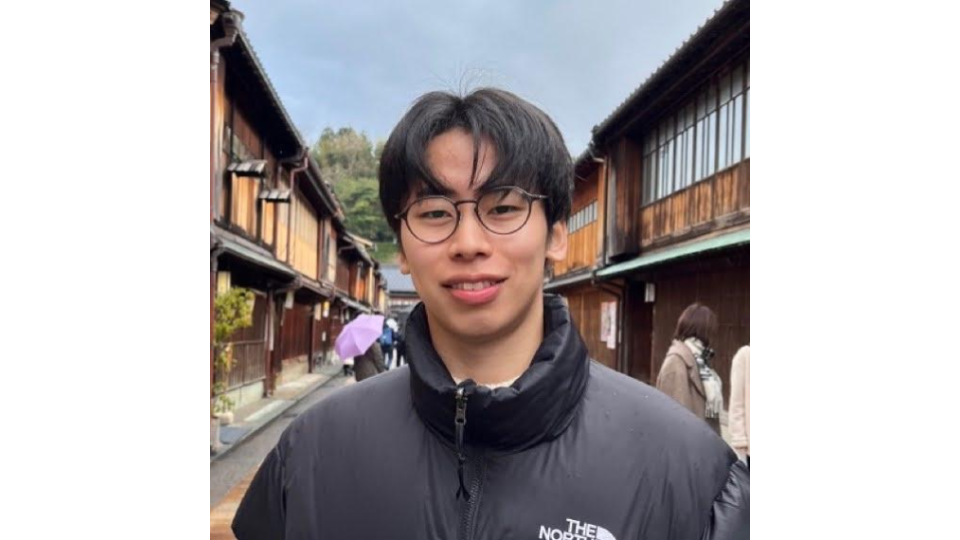
Riki Otaki is a fourth-year PhD student in the Computer Science Department at the University of Chicago, advised by Professor Aaron Elmore. His research focuses on improving the efficiency of core database components with particular interests in workload- and resource-adaptive query execution and transaction processing for cloud-native databases.
“Riki is an outstanding database systems researcher. He revisits long-standing problems—like indexing and sorting—with deep respect for prior work and a clear eye for where meaningful improvements remain. He is meticulous in mastering the state of the art and brings rigor to both analysis and system design. As demand for data platforms grows and costs rise, Riki’s focus on resource efficiency and getting more value from existing structures is critical for next-generation systems at companies like MongoDB. Direct engagement with MongoDB will ensure that Riki’s research stays focused on impactful, real-world problems.”
-Aaron Elmore, Associate Professor in the Department of Computer Science, and the College of the University of Chicago
We proudly congratulate this year’s winners and thank everyone who took the time to apply!
Next Steps
The nomination window for the 2027 MongoDB PhD Fellowship Program will open on September 7, and we invite all PhD students with innovative ideas to apply. For more information about the MongoDB PhD Fellowship Program, the application process, and deadlines for next year's fellowships, please visit our PhD Fellowship Program page.