


.jpg)
INTRODUCTION
One critical platform that distributes welfare to UK citizens

The Department for Work and Pensions (DWP) is the largest department in the UK government and is responsible for distributing £191bn in welfare, pensions and child maintenance. It serves over 20 million citizens each year and its critical monthly payments help these people with living costs, childcare needs and employment opportunities - all when they need it most.
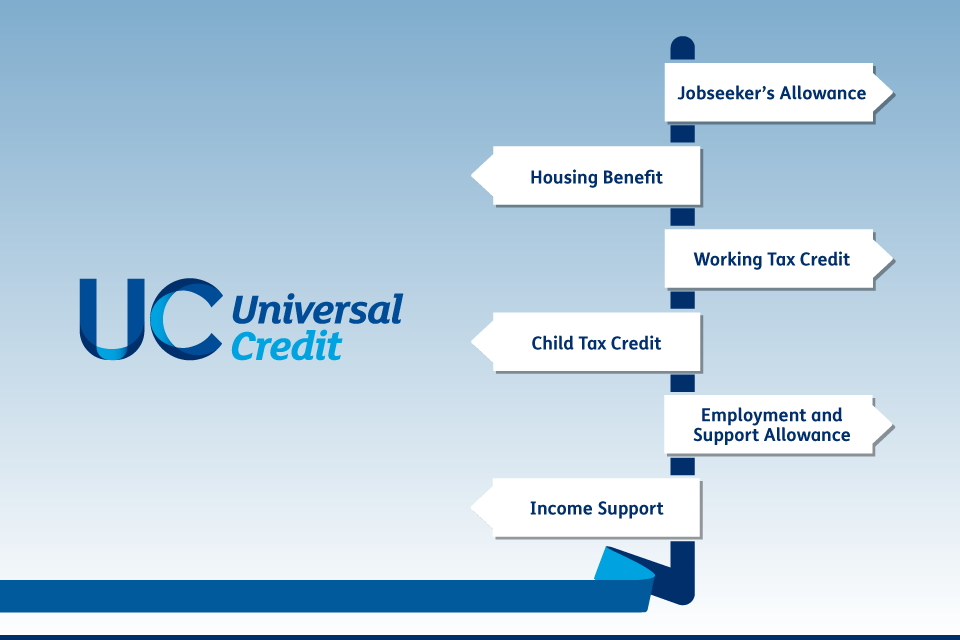
This welfare system for working-age people is known as Universal Credit (UC) and it went live in 2014. Six separate claims then were combined into one single digital platform simplifying what had become a complicated and complex set of independent systems. The online platform had made it much easier for citizens to obtain support and manage their options.
Led by the DWP Digital team, the UC platform now manages more than 200m enquiries and seven million claims every year. As for many services across the UK government, evolving with digital and moving online had proved to be successful for the Department.
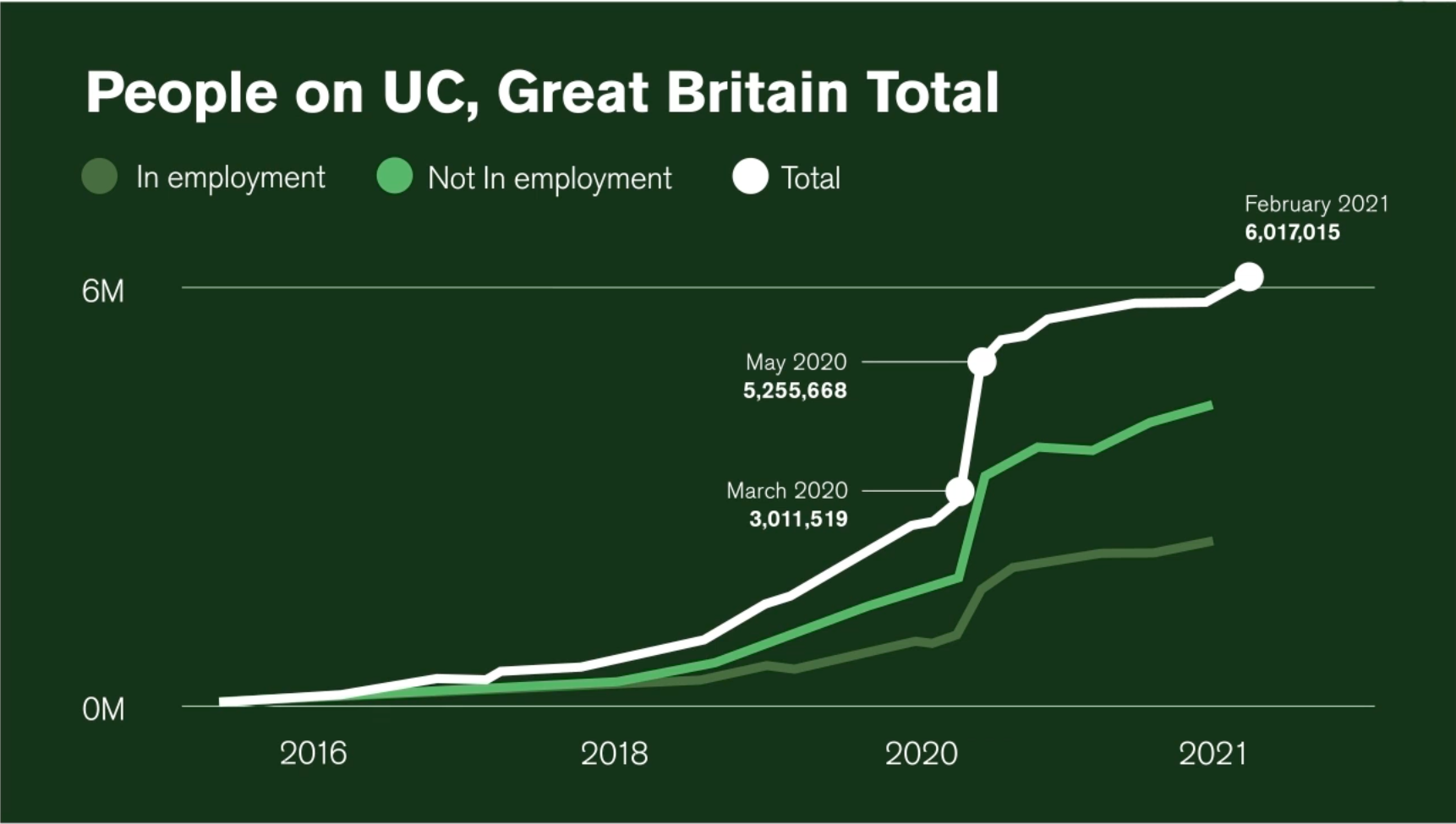
Yet, on the 23rd March 2020, the Universal Credit programme experienced an enormous increase in demand overnight. As the COVID-19 pandemic hit, the UK was put into a national lockdown and entire industries ground to a halt. It left millions unable to work or unemployed. The system had to stay online to protect the most vulnerable citizens, yet it would need to be refined and re-scaled once again.
THE CHALLENGE
The UC platform had to pivot, scale, and adjust...and fast
The IT infrastructure which underpins Universal Credit has used MongoDB as its data store from day one. It was on the recommendation of the Government Digital Service (GDS) which was promoting that Departments should use the most modern of technologies.
DWP used MongoDB as its underlying core database in its technology stack. It was used to store, manage and analyze troves of data and map that information into its microservices environment. This microservices architecture helped break down the UC application into small autonomous services for better management.
MongoDB’s simple intuitive document model, adaptable schema design, clustering with resilience across availability zones and low cost of entry were all benefits to be had. For DWP Digital, the real crux was that MongoDB offered its development team a new and more productive way to build applications, handle highly diverse data types and manage data efficiently at scale. Today, DWP Digital houses all data types you’d expect (e.g., numbers, strings, binary data, arrays) without requiring the team to predefine a schema. It leaves each microservice to evolve as needed, without breaking the schema and disrupting the service.
However, no-one could have predicted the stress this MongoDB implementation would be placed under by the events of 2020. With COVID-19 spreading rapidly throughout the UK, many citizens were left looking for government support. Commercial markets trembled as everyone was ordered to work from home. Retail, restaurants, hotels, gyms and other services were to close until further notice. Unsurprisingly, this drove a huge spike in traffic to UC’s online services as hundreds of thousands of people tried to assess what assistance was available to them.
“We have solid predictions about normal traffic but we also perform proactive performance testing to resolve any future, potential issues,” explained Tom Padgham, Deputy Director of Engineering, DWP Digital. “March 2020 took us by surprise - and that’s an understatement.”



_1.svg)