The benefits of a non-relational database
Today’s applications collect and store increasingly vast quantities of ever more complex customer and user data. The benefits of this data to businesses, of course, lie in their potential for analysis. Using a non-relational database can unlock patterns and value even within masses of variegated data.
There are several advantages to using non-relational databases, including:
- Massive dataset organization
In the age of Big Data, non-relational databases can not only store massive quantities of information, but they can also query these datasets with ease. Scale and speed are crucial advantages of non-relational databases.
- Flexible database expansion
Data is not static. As more information is collected, a non-relational database can absorb these new data points, enriching the existing database with new levels of granular value even if they don’t fit the data types of previously existing information.
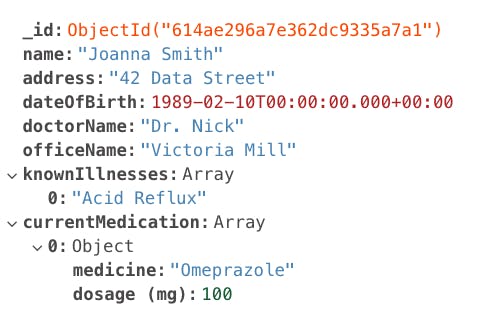
The data now collected from users takes on myriad forms, from numbers and strings, to photo and video content, to message histories. A database needs the ability to store these various information formats, understand relationships between them, and perform detailed queries. No matter what format your information is in, non-relational databases can collate different information types together in the same document.
A non-relational database can be massive. And as they can, in some cases, grow exponentially, they need a hosting environment that can grow and expand with them. The cloud’s inherent scalability makes it an ideal home for non-relational databases.