𝐃𝐚𝐲 𝟖𝟕 of #100DaysOfCode
- 𝑺𝒕𝒓𝒖𝒄𝒕𝒖𝒓𝒊𝒏𝒈 𝒀𝒐𝒖𝒓 𝑹𝒆𝒂𝒄𝒕 𝑪𝒐𝒎𝒑𝒐𝒏𝒆𝒏𝒕𝒔 𝒇𝒐𝒓 𝑺𝒄𝒂𝒍𝒂𝒃𝒊𝒍𝒊𝒕𝒚 -
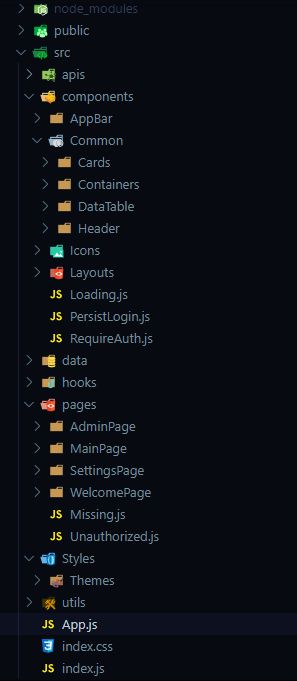
After finishing up with the backend tips, we’re moving to the 𝐟𝐫𝐨𝐧𝐭𝐞𝐧𝐝 side of things. One of the key factors for a scalable, maintainable frontend is how you structure your components. Proper organization will help as your project grows, especially when working in teams or handling multiple features.
A good strategy is to separate reusable UI components (e.g., buttons, inputs) from domain-specific components (e.g., login, dashboard). This makes your project modular, improving maintainability and scalability.
By grouping reusable and feature-specific components, you’ll streamline development and prevent clutter as your app expands.